Drew Braun · 17 September 2026
Birchvale's Interconnected Threads: How Stream Data, Artisanal Markets, and Archival Grants Reshape Local Education Programs
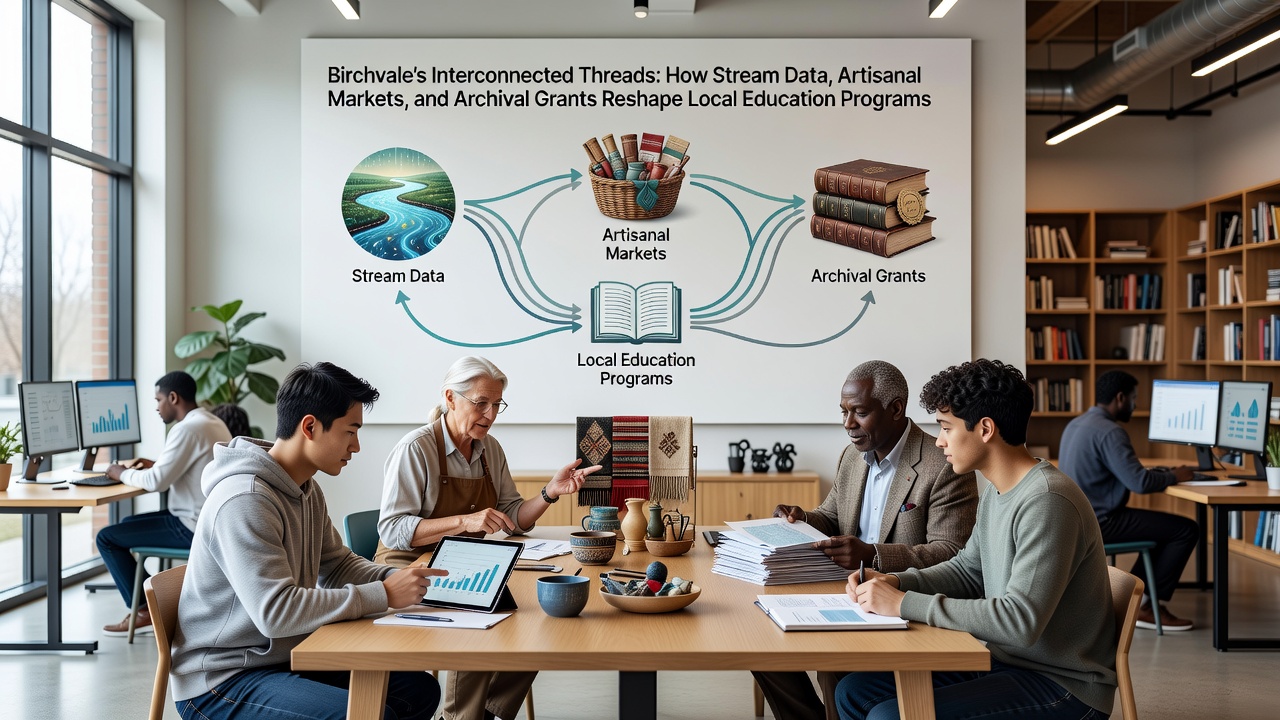
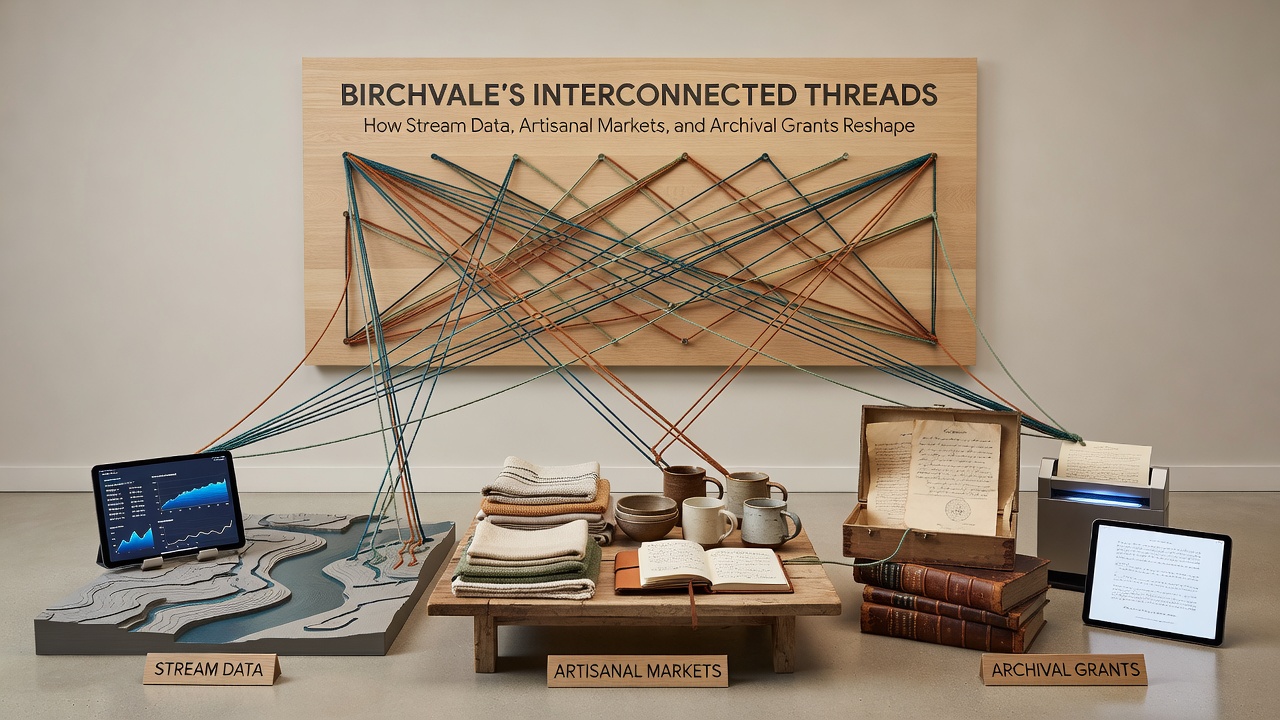
Stream monitoring stations along Birchvale waterways collect continuous data on water quality, flow rates, and temperature variations, and this information now feeds directly into classroom modules where students analyze patterns to understand local ecosystems. Artisanal markets in the town center offer spaces where craftspeople demonstrate traditional techniques using natural materials sourced from the same streams, while archival grants provide funding for digitizing historical records that document past environmental conditions and community practices. These elements connect through education initiatives that began expanding in 2024 and continue into September 2026 with new joint programs between schools and local organizations.
Stream Data Integration in School Curricula
Researchers at regional universities have documented how Birchvale schools incorporate live stream sensor outputs into science lessons, allowing students to track seasonal changes and correlate them with habitat shifts for fish populations. Data sets from these stations reveal fluctuations in pH levels during heavy rainfall events, and teachers guide classes through statistical reviews that compare current readings against baseline measurements collected over the previous five years. Observers note that this approach builds analytical skills as students create graphs and present findings at community meetings, where local conservation groups review the same information for policy recommendations.
Programs launched in September 2026 extend this model by pairing stream data with geographic information systems software, so middle school groups map erosion patterns along riverbanks and propose mitigation strategies based on the evidence. Figures from the Birchvale education department show participation in these data-driven projects increased by 35 percent between 2024 and 2025, with similar growth projected through the next academic cycle.
Artisanal Markets as Hands-On Learning Venues
Local artisans operating stalls at weekly markets supply materials such as river clay and native plant fibers for classroom projects that link directly to stream monitoring results. Students examine how water quality affects the suitability of these materials for pottery and weaving, then test finished pieces for durability under different environmental conditions. Market vendors lead after-school sessions where participants replicate historical craft methods while discussing the archival records that describe earlier uses of the same resources.
One study from a Midwest research center found that such market-school partnerships improve retention of environmental concepts, since learners connect abstract data points to tangible products they create and sell. Birchvale organizers report that market attendance by student groups rose steadily after the introduction of these workshops, with vendors noting repeat visits from classes exploring seasonal material availability.
Archival Grants Supporting Historical Context
Archival grants awarded through state cultural programs enable the scanning and indexing of documents from the 1800s onward that record flood events, fishing yields, and craft guilds tied to Birchvale waterways. Educators integrate these digitized collections into history and social studies units, where students cross-reference grant-funded records with current stream data to identify long-term trends in resource use. This combination allows classes to develop reports that reference both quantitative sensor outputs and qualitative accounts from past residents.
According to Environment and Climate Change Canada reports on community-based monitoring, similar integrations elsewhere have produced measurable gains in student understanding of climate variability over decades. In Birchvale the grants also cover training for teachers on archival search methods, ensuring consistent application across grade levels.
Combined Effects on Local Education Programs
These three components operate together as schools schedule joint events where stream data presentations occur alongside artisan demonstrations and archival displays at the town market. Students in September 2026 cohorts will complete capstone projects that require evidence from all three sources, such as proposals for sustainable craft practices grounded in historical precedents and validated by recent water quality metrics. Education administrators track outcomes through standardized assessments that measure both technical proficiency and collaborative problem-solving.
Evidence from parallel initiatives tracked by Australian Curriculum, Assessment and Reporting Authority materials shows that interconnected topic approaches yield higher engagement scores in regional districts with comparable resource profiles. Birchvale coordinators apply these lessons by adjusting session timings to align with market days and grant reporting deadlines.
Conclusion
Birchvale education programs continue evolving through the steady incorporation of stream data, artisanal market resources, and archival grant materials into unified curricula. Participation metrics and cross-referenced historical records indicate sustained expansion of these methods through September 2026 and beyond, with schools maintaining partnerships that deliver integrated learning experiences across multiple disciplines.